Leak Detection in St Helens
A leak you can see is easy to deal with. The hard ones are hidden, dripping slowly under a floor or inside a wall, and doing damage for weeks before anyone notices. We offer leak detection across St Helens, from Moss Bank to Bold, tracking down where the water is going and repairing it with as little disruption as we can.
If water is coming through a ceiling right now, turn off the stopcock and call our 24/7 emergency plumber line. Leak detection is for the slower, quieter leaks that are harder to pin down.
Signs of a Hidden Leak
Hidden leaks give themselves away in small ways. Watch out for:
- A rising water bill with no change in how you use water
- Damp patches or staining on ceilings, walls or floors
- Mould or a musty smell that keeps coming back
- Warm spots on the floor, which can point to a leaking heating pipe
- A boiler losing pressure and needing regular topping up
- The sound of running water when everything is off
- Cracks in a ceiling, or plaster that bulges or sags
Try the water meter test
Turn off every tap, and make sure the washing machine, dishwasher and toilets aren't filling. Find your meter, note the reading and check it again after 20 to 30 minutes. If the numbers have moved, water is escaping somewhere between the meter and your taps.
How We Find a Water Leak
There's no single gadget that finds every leak. Matthew works through it methodically, using the right method for the property:
- Isolating sections. Closing valves to split the system into parts, so we can tell which section is losing water.
- Pressure testing. Pressurising a section of pipework and watching for a drop, which confirms a leak and narrows down where it is.
- Moisture meters. Checking walls, floors and ceilings to follow the damp back towards its source.
- Thermal imaging. Matthew uses a thermal imaging camera, which can show warm water pipes and leaks on heating systems through a floor or wall.
- Listening. Escaping water often makes a sound, and listening along a pipe run helps pinpoint it.
If the leak turns out to be a dripping tap, a running toilet or a loose appliance hose, it's a quick fix under our plumbing repairs service. Some leaks show up in minutes. Others take longer, especially if the water is travelling along a joist before it appears. We'll be honest about what we can find and how sure we are.
Central Heating Leaks vs Mains Water Leaks
It helps to know which system is leaking, as the clues are different. A mains water leak usually shows on your meter and may drop your water pressure. A central heating leak doesn't affect the meter at all, but your boiler loses pressure and needs refilling.
Heating leaks often come from weeping radiator valves, old joints or pipes under the floor. If the boiler itself is the source, such as a dripping pressure relief valve, our boiler repair service covers it. Wider heating problems are on our central heating page.
Leaks Under Floors and in Walls
Many St Helens homes have pipes buried in solid floors or running under floorboards and through stud walls. A hidden leak there can soak the screed, rot the timbers or come out a long way from the source.
Once we've narrowed it down, we open up the smallest area we can to reach the pipe. Under boards that usually means lifting one or two. In a solid floor or a plastered wall it may mean cutting a small section. Where a buried pipe is in poor condition, rerouting a new pipe can be better than repairing the old one.
Supply Pipe Leaks Outside
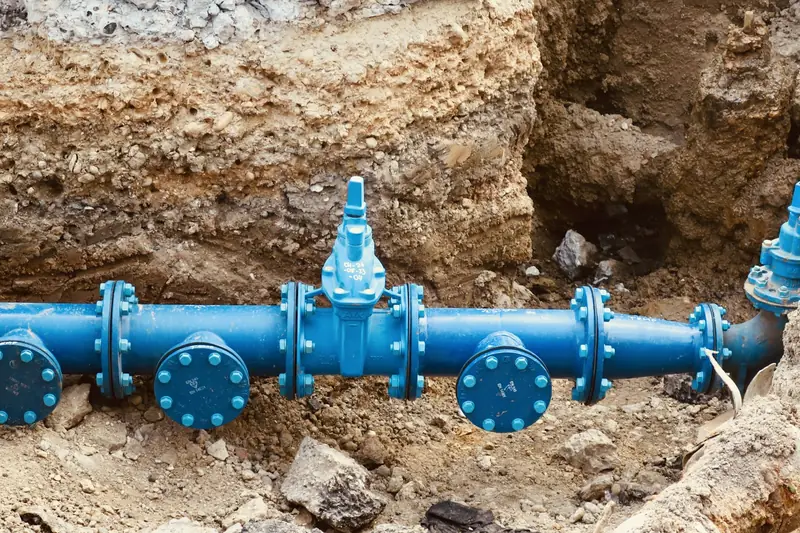
Sometimes the leak isn't in the house at all. A wet patch on the drive, a soggy bit of lawn or a meter that keeps turning with everything off can all point to a leak on the underground supply pipe.
United Utilities is responsible for the main and the pipe up to your boundary stop tap. The supply pipe from there into your home is usually the homeowner's responsibility. United Utilities has schemes that may help, including repairs to supply pipes and a leak allowance on metered bills, so it's worth contacting them. We can confirm which side the leak is on.
What Happens After We Find the Leak
Once the leak is found, Matthew repairs it, usually by cutting out the damaged section and joining in new pipe. Our burst pipe and leak repair page explains the repair methods in more detail.
Making good afterwards is limited. We'll refit floorboards and leave things tidy, but replastering, retiling or redecorating is a job for the relevant trade. We'll tell you what to expect before we start.
Trace and Access Cover on Home Insurance
Many home insurance policies include trace and access cover. It pays towards finding a hidden leak and the work needed to reach it, which can be a big part of the cost. Check your policy, or call your insurer before work starts. We can give you a written note of where the leak was and how we fixed it.